Many dogs struggle when left by themselves, and the whining, pacing, or destruction that follows can break an owner’s heart. Easing dog separation anxiety is about helping your dog learn that time alone is safe and temporary rather than frightening. Dogs are deeply social animals, so being left behind can genuinely feel distressing to them. The encouraging news is that with patience and the right approach, most dogs can grow comfortable with their own company. This article walks through the signs, the training, and the environment that build a dog’s confidence when alone. By the end, you should have a gentle roadmap toward calmer departures and happier homecomings.
Why Easing Dog Separation Anxiety Starts With Understanding It
Before you can help, it helps to understand what your dog is actually feeling when you leave. Genuine separation anxiety is rooted in fear, which means punishment only deepens the problem rather than solving it. Signs like excessive barking, destruction near exits, or accidents often point to real distress rather than defiance. Helpful dog anxiety help begins with recognizing these behaviors as calls for reassurance. Approaching the issue with empathy rather than frustration changes everything about how you respond. When you see the anxiety for what it is, you can begin to address the cause with real compassion.
Building Independence in Small Steps
Confidence about being alone is built gradually, one small and manageable step at a time. Practicing very short absences and returning before your dog panics teaches that you always come back. Slowly extending that time as your dog stays calm allows their tolerance to grow naturally. Rewarding relaxed behavior reinforces the idea that being alone is perfectly safe. Practical pet behavior support emphasizes moving at your dog’s pace rather than rushing the process. Each successful separation, however brief, quietly builds the independence your dog needs to feel secure.
How Easing Dog Separation Anxiety Shapes the Environment
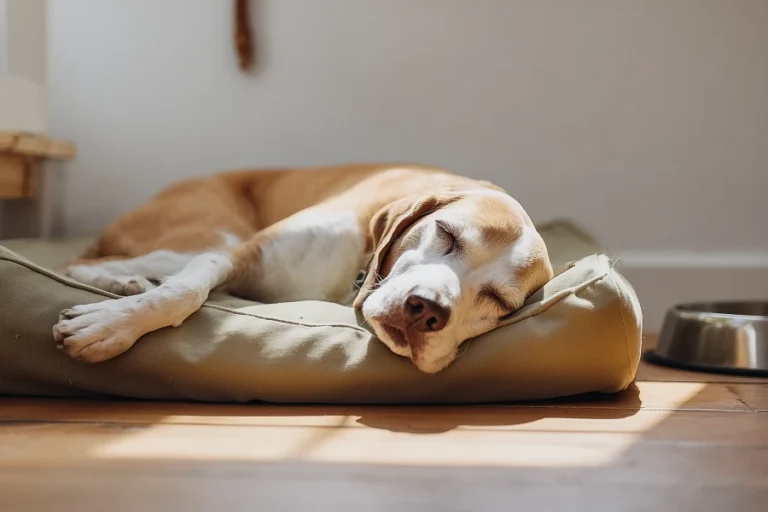
The space you leave your dog in has a powerful effect on how safe they feel. A comfortable, secure area with familiar bedding gives your dog a reassuring place to settle. Leaving an item that carries your scent can be genuinely comforting during your absence. Reliable calming dog products such as puzzle toys and soothing music help fill the quiet hours. Keeping the space free of hazards protects an anxious dog who might otherwise chew or scratch. A thoughtfully prepared environment turns time alone into something far more manageable for your dog.
Making Departures and Arrivals Low-Key
The drama of leaving and returning often fuels a dog’s anxiety more than the absence itself. Keeping goodbyes calm and brief signals that departures are nothing to worry about. Avoiding an emotional, fussy farewell prevents you from accidentally raising the tension. Returning home quietly, without a big celebration, teaches your dog that comings and goings are ordinary. Waiting until your dog is settled before greeting them reinforces that calm behavior. When departures and arrivals feel unremarkable, your dog gradually learns to take them in stride.
How Easing Dog Separation Anxiety Fills the Time
A busy, tired dog copes with alone time far better than a restless, understimulated one. A good walk or play session before you leave helps burn off nervous energy. Food puzzles and long-lasting chews give your dog something rewarding to focus on in your absence. Rotating toys keeps the environment interesting rather than stale and boring. Mental enrichment tires a dog as thoroughly as physical exercise does. When the hours alone are filled with pleasant distractions, they pass far more easily for your dog.
Knowing When to Ask for Support
Some cases of anxiety run deeper than home training alone can resolve, and recognizing that is wise rather than defeating. Severe distress that puts your dog at risk of injury deserves professional attention. A veterinarian can rule out medical causes and discuss whether additional support might help. A certified trainer or behaviorist can craft a plan tailored to your dog’s particular needs. Reaching out for help is a sign of dedication, not failure. With the right combination of patience and support, even anxious dogs can learn to feel calm and safe on their own.