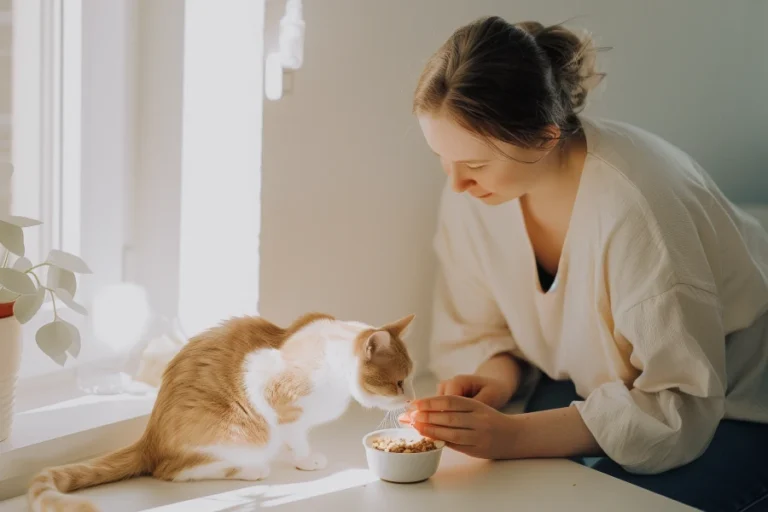
Cats are masters at hiding discomfort, so their stress often goes unnoticed until it shows up as hiding, aggression, or litter box troubles. Reducing cat stress begins with understanding that these behaviors are signals rather than misbehavior. A cat’s sense of safety depends heavily on its environment, and small changes to that environment can have a surprisingly large effect. Because cats are creatures of habit, even minor disruptions can leave them feeling uneasy for days. This article explores the common triggers and the practical steps that help a cat feel secure again. By the end, you should have a clearer picture of how to build a calmer, happier home for your feline companion.
Why Reducing Cat Stress Means Reading Body Language
A cat rarely announces its worries out loud, so learning to read subtle body language is the first real step. Flattened ears, a tucked tail, and dilated pupils often reveal tension long before any dramatic behavior appears. Excessive hiding or a sudden change in appetite can quietly signal that something feels wrong. Helpful cat care tips encourage you to watch these small cues rather than waiting for an obvious crisis. Noticing the early signs gives you the chance to intervene gently. When you learn your cat’s personal language, you can respond to stress before it ever takes hold.
Creating a Space That Feels Safe
Every cat needs a territory that feels genuinely its own, and a well-designed space does most of the calming work for you. Quiet retreats where a cat can hide undisturbed offer an essential sense of security. Vertical space such as shelves and cat trees lets a nervous cat survey the room from a safe height. Keeping food, water, and the litter box in low-traffic areas reduces the daily friction that wears on a cat’s nerves. Familiar scents and consistent furniture arrangements reinforce that comforting feeling of ownership. A thoughtfully arranged home quietly tells your cat that it is safe to relax.
How Reducing Cat Stress Handles Change and Routine
Cats find deep comfort in predictability, which is exactly why sudden change can rattle them so easily. Keeping feeding times, play sessions, and quiet periods consistent gives your cat a reassuring daily rhythm. When change is unavoidable, introducing it slowly gives your cat time to adjust without panic. Practical calming pet solutions often center on easing transitions rather than avoiding them altogether. A new piece of furniture or a new routine lands far more gently when it arrives gradually. By protecting your cat’s sense of routine, you give it a stable foundation from which to face the occasional surprise.
Using Play to Release Nervous Energy
Play is far more than entertainment for a cat, since it channels natural hunting instincts that might otherwise curdle into anxiety. Regular interactive sessions with a wand toy let your cat stalk, chase, and pounce in a satisfying way. Ending each session with a small catch gives a rewarding sense of completion rather than frustration. Short bursts of play scattered through the day suit a cat’s energy far better than one long marathon. Puzzle feeders add mental stimulation that tires a busy mind. A cat that gets to express its instincts through play has far less pent-up energy to turn into stress.
How Reducing Cat Stress Eases Multi-Cat Tension
Homes with several cats carry their own particular challenges, since felines are naturally territorial creatures. Providing enough resources for everyone is the simplest way to prevent quiet competition and conflict. A reliable rule is to offer separate food stations, water bowls, and litter boxes so no cat feels cornered. Reliable feline behavior help often focuses on giving each cat its own space and escape routes. Introducing new cats slowly and with patience prevents lasting tension between them. When every cat feels secure in its own resources, the whole household grows noticeably more peaceful.
Knowing When to Seek Extra Help
Sometimes stress runs deeper than home adjustments alone can reach, and recognizing that is a sign of good care. Persistent changes in appetite, grooming, or litter box habits can point to an underlying medical issue worth investigating. A veterinarian can rule out physical causes that often masquerade as behavioral problems. In more stubborn cases, a feline behavior specialist offers targeted strategies tailored to your cat. There is no shame in asking for expert support when your efforts are not enough. Reaching out at the right moment is simply another way of putting your cat’s wellbeing first.